
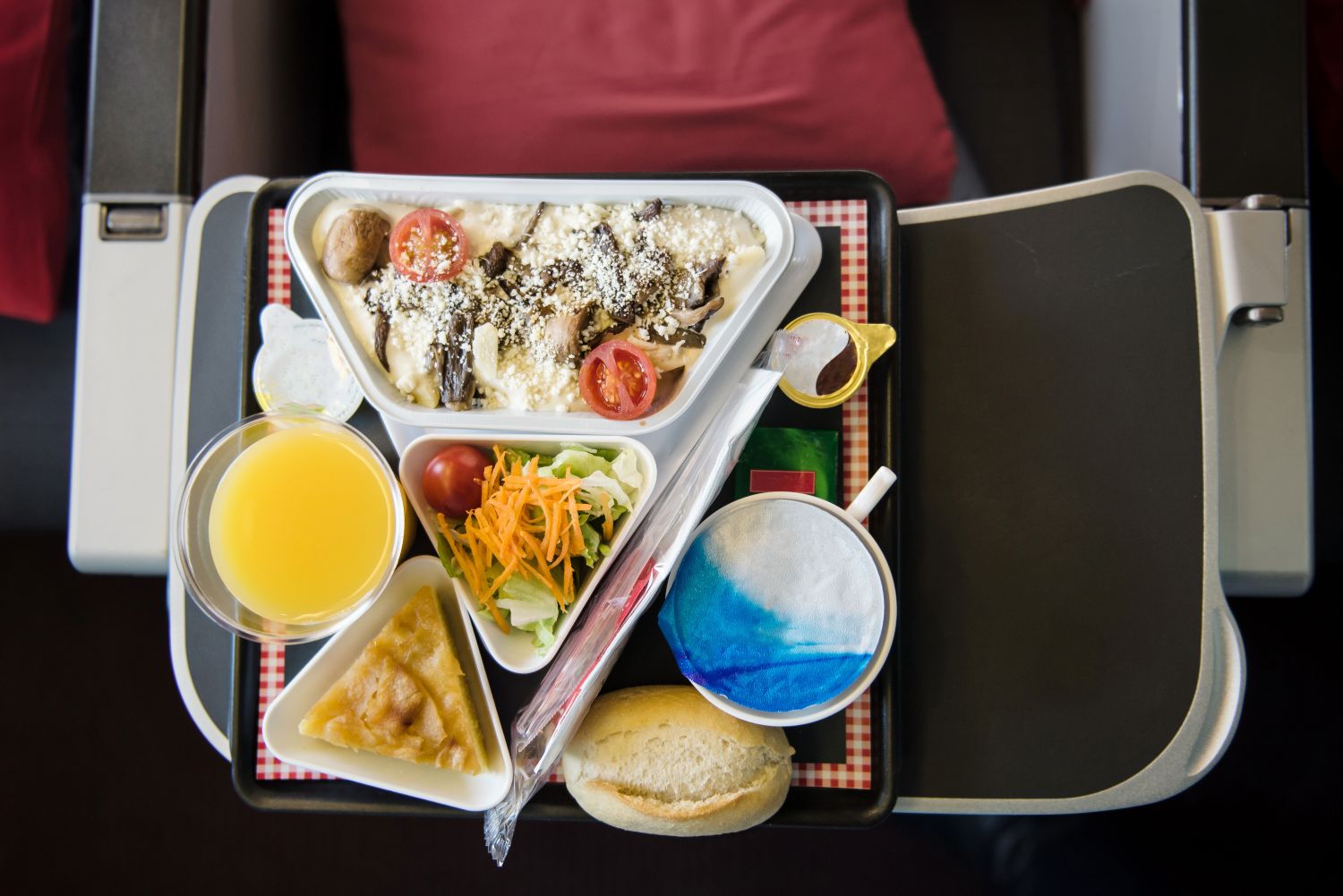
Flying can often disrupt our eating habits, leading to unhealthy choices and dissatisfaction with in-flight meals. However, with a little knowledge and planning, you can navigate airplane menus to make healthier and more fulfilling meal choices while traveling. This guide will help you understand what to look for, how to make the best decisions, and tips for maintaining a balanced diet in the air.
1. Understanding Airline Meal Options
Types of In-Flight Meals
Airlines typically offer several meal options, which can vary by airline, route, and class of service. Familiarize yourself with the different types of meals that may be available:
- Standard Meals: Usually offered in economy class, these meals are often pre-packaged and can be high in calories, sodium, and unhealthy fats.
- Special Dietary Meals: Most airlines allow you to request special meals (e.g., vegetarian, vegan, gluten-free, low-sodium) when booking your flight. These meals can be healthier options tailored to your dietary needs.
- Premium Meals: In business and first class, meals are often freshly prepared and may include healthier gourmet options.
Check the Airline’s Menu
Many airlines provide their in-flight menu online or in their app. Reviewing the menu before your flight can help you make informed choices and allow you to plan your meals accordingly.
2. Making Healthy Choices
Look for Balanced Meals
When reviewing the menu, aim for meals that offer a balance of macronutrients—proteins, fats, and carbohydrates. A healthy in-flight meal should include:
- Lean Proteins: Look for chicken, fish, tofu, or legumes to keep you full and satisfied.
- Whole Grains: Opt for brown rice, quinoa, or whole-grain bread instead of refined grains.
- Fruits and Vegetables: Choose meals that include a variety of colorful vegetables or fresh fruit to ensure you’re getting essential vitamins and minerals.
Be Mindful of Portion Sizes
In-flight meals can vary in portion sizes, and some airlines serve larger portions than necessary. Pay attention to the serving sizes and avoid overeating. If the portion seems large, consider saving half for later or sharing with a travel companion.
3. Avoiding Unhealthy Options
Skip the Heavy Sauces and Dressings
Many in-flight meals come with rich sauces or dressings that can add extra calories and unhealthy fats. If possible, ask for sauces or dressings on the side, or choose meals that are naturally flavorful without heavy condiments.
Limit Processed Foods
Processed foods such as chips, cookies, and sugary snacks are often available on flights. While they may be convenient, they can lead to spikes in blood sugar and leave you feeling sluggish. Opt for healthier snacks like nuts, dried fruit, or whole-grain crackers if you need a snack.
4. Staying Hydrated
Drink Plenty of Water
Airplane cabins have low humidity levels, which can lead to dehydration. Make it a habit to drink water throughout your flight. Many airlines offer complimentary water, but you can also bring a refillable water bottle to ensure you stay hydrated.
Avoid Excessive Caffeine and Alcohol
While a cup of coffee or a glass of wine may be tempting, both caffeine and alcohol can contribute to dehydration. Limit your intake of these beverages and balance them with water to stay hydrated.
5. Preparing for Your Flight
Pack Healthy Snacks
If you’re unsure about the in-flight meal options, consider packing your own healthy snacks. Some great options include:
- Nuts and Seeds: High in protein and healthy fats, they can keep you full during your flight.
- Fruit: Apples, bananas, and dried fruits are portable and nutritious.
- Granola Bars: Look for low-sugar, high-fiber options to provide sustained energy.
- Vegetable Chips: A healthier alternative to traditional chips, they can satisfy your crunch cravings.
Consider Bringing Your Own Meal
If you have specific dietary requirements or simply prefer a home-cooked meal, check your airline’s policy on bringing food on board. Many airlines allow passengers to bring their own meals, which can be a great way to ensure you have something healthy and satisfying to eat.
Conclusion
Navigating airplane menus for healthy and fulfilling in-flight meals doesn’t have to be a challenge. By understanding the available options, making informed choices, and preparing in advance, you can enjoy a nutritious and satisfying meal while flying. Remember to stay hydrated and consider packing your own snacks to keep you energized throughout your journey. With these strategies in mind, you can maintain your healthy eating habits even at 30,000 feet! Safe travels!